Spartanburg Medical Center
AEGD RESIDENCY
SPONSORED BY
RESIDENT VOICES - CLASSES OF 2022-2026
“THIS PROGRAM IS NOT YOUR TYPICAL AEGD.”
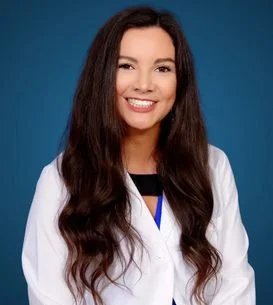
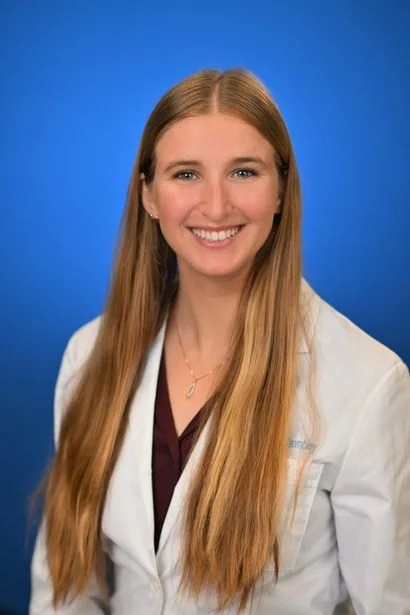
Shelby Stoltz, DMD, Class of 2024. Below, graduates describe the clinical volume, the mentorship, the pace and where the year took them.
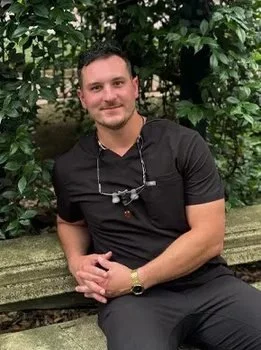
CLASS of 2022
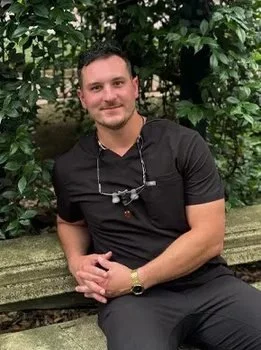
Grant Dye, DDS
University of Minnesota
CLASS OF 2025
“I wouldn’t be where I am today without Spartanburg AEGD.”
Training in full mouth reconstructions, implants, sinus lifts, bone grafting, periodontal surgery, hybrid prosthetics, third molar extractions, and an expanded knowledge in IV sedation has been fundamental in my ability to treat patients on a comprehensive level.
Faculty acknowledge and respect your treatment decisions, while offering their expertise every step of the way. Because of this, I was able to grow in my clinical skills far beyond my peers at other AEGDs.
A quaint, musical city in upstate South Carolina, Spartanburg has endless outdoor adventure, incredible restaurants, endless weekend entertainment, and a welcoming community of people.
“Most of the residents in my class placed over 100 implants in just our one year of residency.”
Residents get the opportunity to learn and practice advanced surgical procedures that patients really need, but would not typically have access to due to financial constraints. This allowed us to hone our skills, and be confident that we can provide these services to our patients after residency.
All of the faculty members are invested in you succeeding both as dentists and people, and they truly go above and beyond to mentor you. It is not often you get to be a part of “life-changing dentistry” on a daily basis, but you get to do that for people at the Spartanburg clinic while also growing yourself as a clinician.
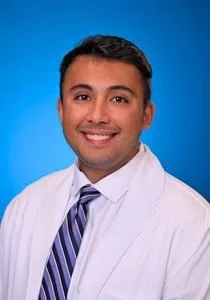
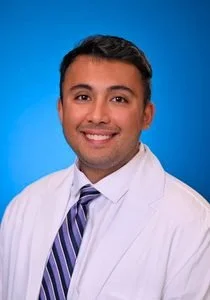
Kyle Maldonado, DMD
MUSC
“The skills learned in this residency really give you an edge to negotiate as a ‘super GP.’”
We provide an impressive scope of advanced services, including bridgework, molar endodontics, IV sedation, implant placement, full arch implant rehabilitation, and both lateral window and vertical sinus lifting procedures. We typically perform at least two surgeries per week, including at least two IV sedation cases weekly.
Like any rigorous residency, the program can feel overwhelming at first. However, you quickly adapt, and the workload becomes more manageable as your efficiency and confidence increase. Take time to get outside and enjoy the natural beauty of the “upstate”!
CLASS OF 2024
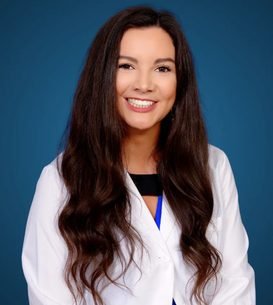
Shelby Stoltz, DMD
MUSC
“I learned how to balance ideal care, patient expectations, and real-world financial constraints.”
The program pushed me to expand my diagnostic thinking and strengthened my ability to treatment plan even the most complex cases. One of the program’s most notable strengths is its education on the surgical side of dentistry: implant placement, surgical extractions, over-denture procedures and other surgical skills.
Providing care to patients who might otherwise struggle to access dental treatment was deeply fulfilling, and it reminded me why I chose this profession in the first place. I now feel significantly more prepared to transition into private practice.
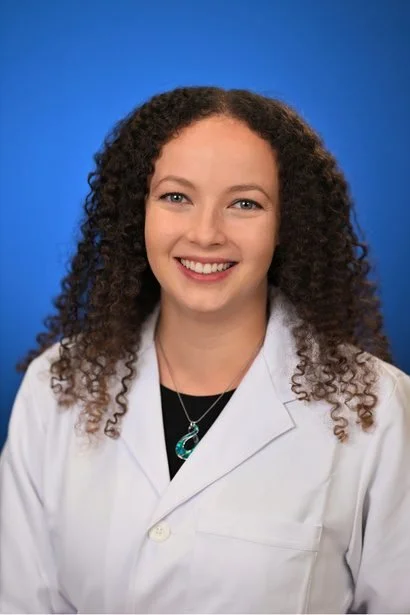
CLASS OF 2026
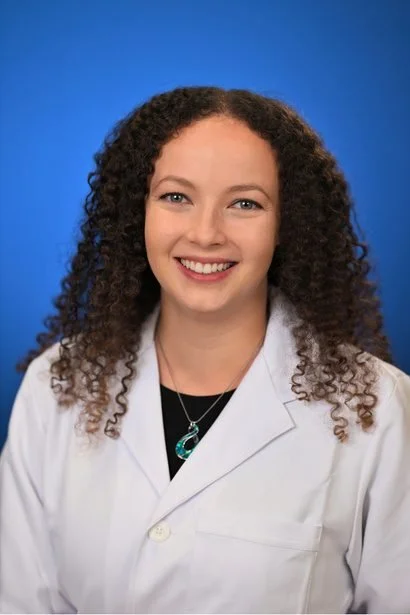
Anna Jemi-Alade, DDS
VCU
CLASS OF 2026 Q&A
QUESTIONS APPLICANTS ASK
For implants, what parts of the workflow are residents involved in?
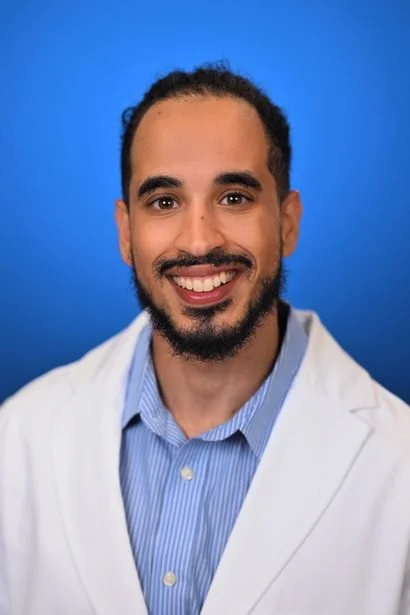
“Residents are involved in every stage of the implant workflow, from reviewing CBCT scans and planning cases to placing implants, restoring them, and following patients through their long-term outcomes… This level of continuity allows you to understand the full process, including how to manage complications.”
ff
Kareem Ahmed, DMD - Univ of Pittsburg
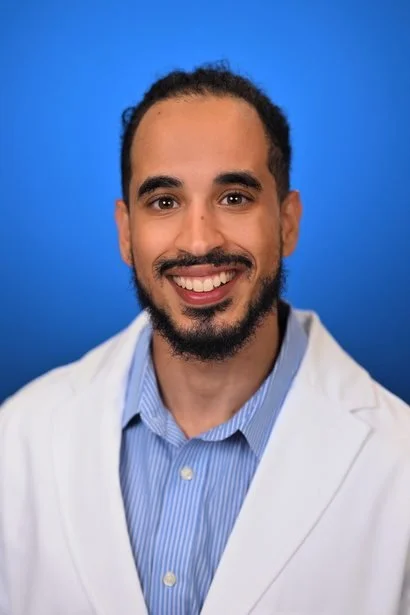
How does sedation training fit with your own patient cases?
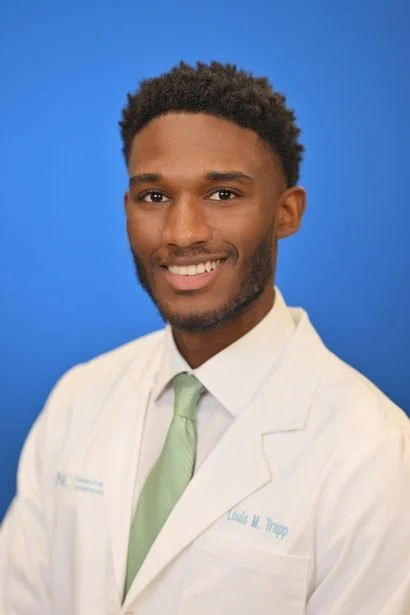
“Learning IV moderate sedation has expanded the types of patients and procedures I am comfortable managing. It allows us to help anxious patients receive care they may have otherwise avoided and to complete complex treatment more efficiently.”
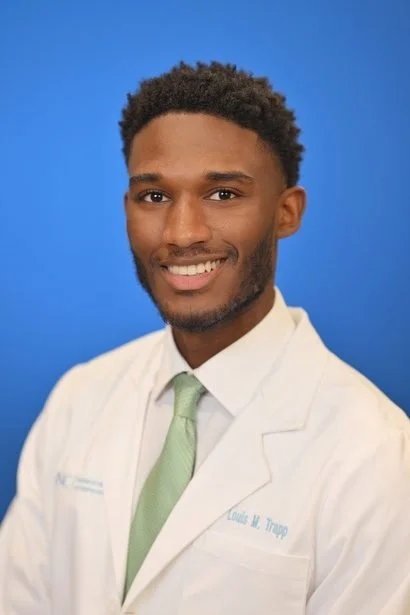
Trey Trapp, DDS - UNC Adams
FAQ
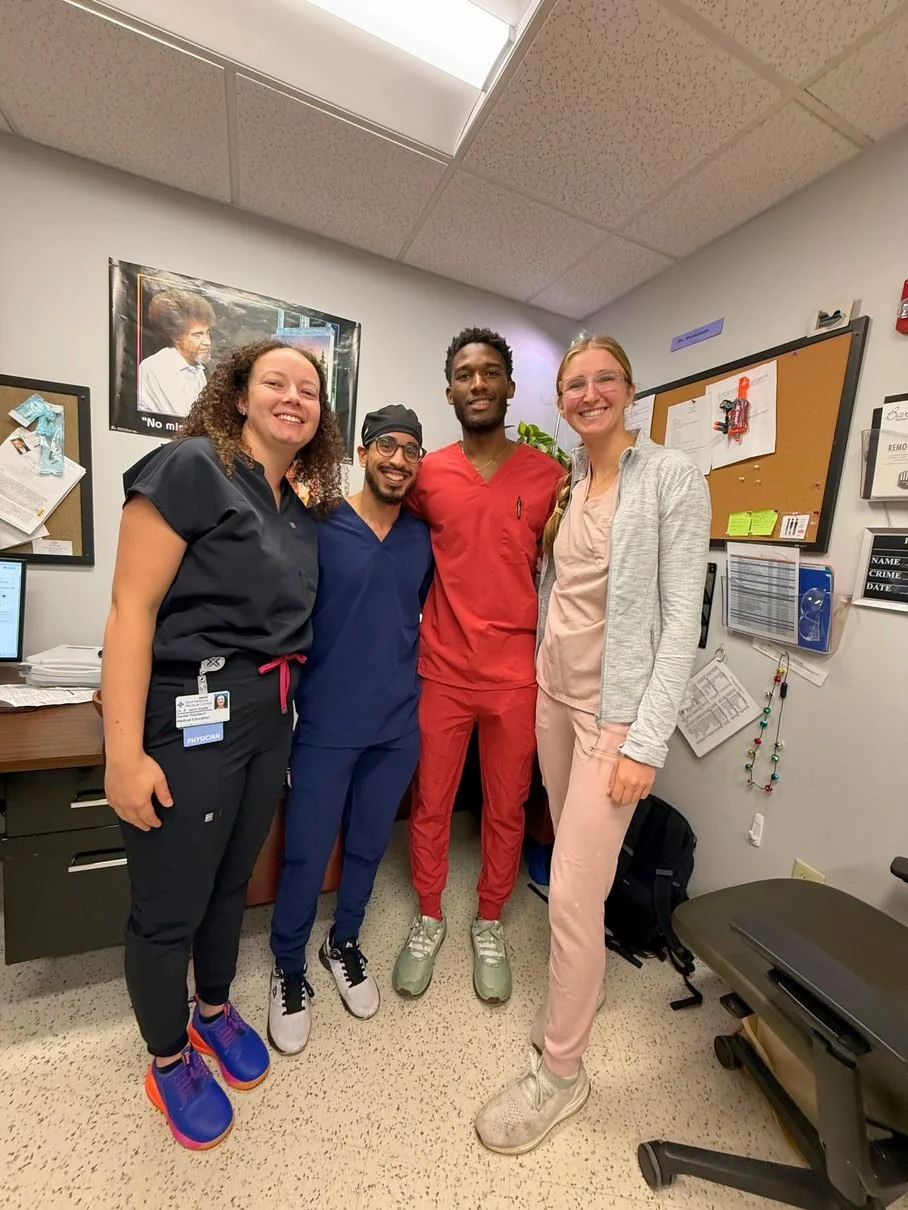
STRAIGHT ANSWERS FROM CLASS OF 2026 RESIDENTS
-
“Extractions and complex dental disease.”
-
“Residents are involved in every stage of the implant workflow, from reviewing CBCT scans and planning cases to placing implants, restoring them, and following patients through their long-term outcomes. Many residents also restore implants placed by previous classes while placing implants of their own throughout the year. This level of continuity allows you to understand the full process, including how to manage complications and how to have honest conversations with patients when treatment does not go exactly as planned. These experiences build both clinical confidence and professional maturity.”
-
“You sedate your co-residents’ cases for the first 6 months, then the last 6 months you sedate your own cases.”
“The sedation training is another standout component of the program. Learning IV moderate sedation has expanded the types of patients and procedures I am comfortable managing. It allows us to help anxious patients receive care they may have otherwise avoided and to complete complex treatment more efficiently. Integrating sedation into our own patient cases reinforces both medical risk assessment and procedural skill, further strengthening our clinical competence.”
-
“Workload and pace are heavy and quick. Our patient population has complex dental and psychosocial needs. You must be able to hold yourself accountable for admitting when you have no idea what you are doing, but at the same time think on your feet and trust your training to try new things with little previous experience.”
-
“All tx require faculty sign-off. They aren’t really checking your diagnoses for bread and butter anymore, but sometimes they help you catch something you missed. Honestly I thought I’d be annoyed by this level of oversight, but it’s been a tremendous learning experience getting to go over all the crazy complex tx plans with a faculty member who treats you like a peer.”
-
Thrive: “You will be given the freedom to learn and try as much dentistry as you would like.” Struggle: “If you are not confident in your dental school bread and butter and extraction skills, this residency is too fast-paced for you.”
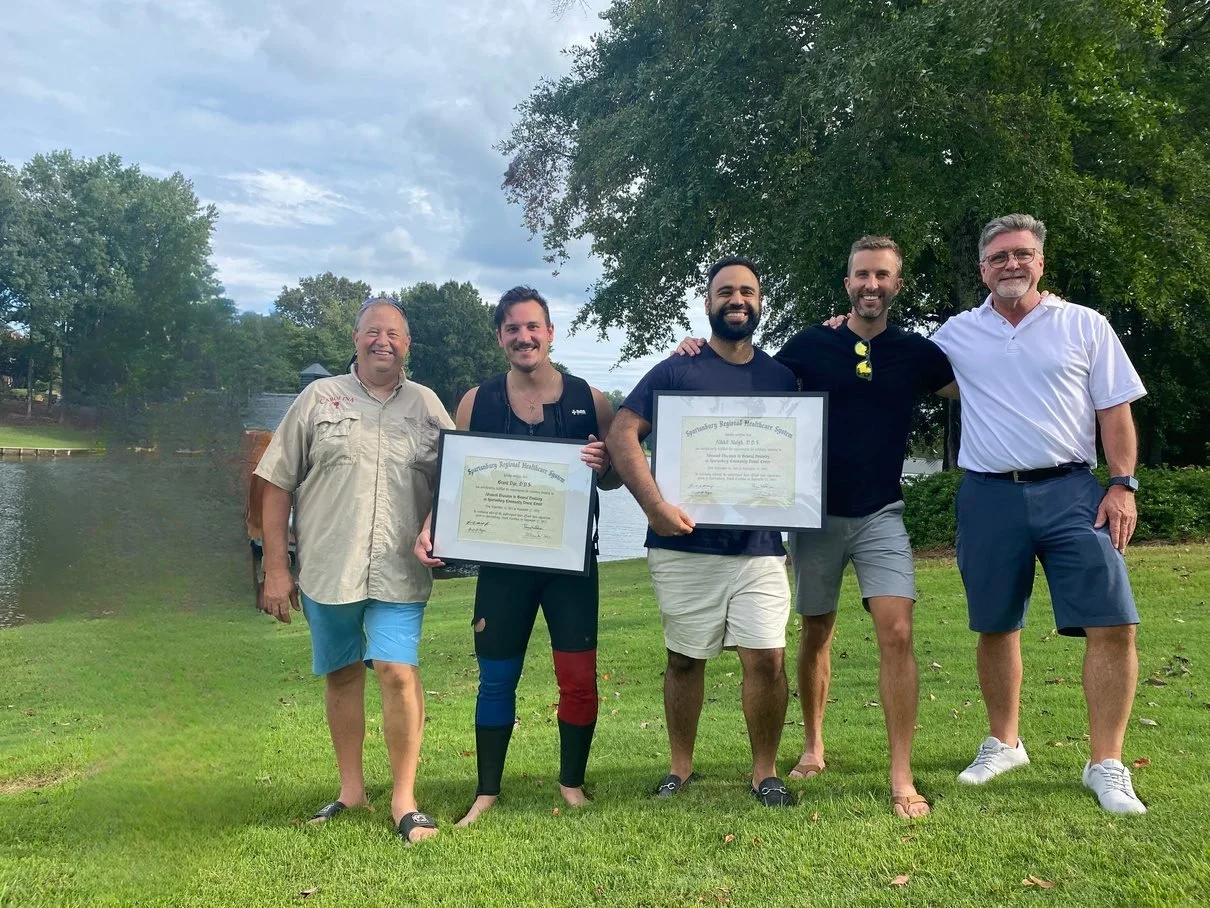
After residency
“As I was putting together my resume over the winter break I realized that I’d done so much during the past 6 months and had become a completely different clinician… The amount of interest I received regarding associateships was amazing.”
Anna Jemi-Alade, DDS · Class of 2026
TALK TO A RESIDENT YOURSELF
Download the full testimonial brochure, or schedule a visit to meet the current class.
631 N. Church StreetSpartanburg, SC 29303Accreditation status. The Advanced Education in General Dentistry program (12 Month/Optional 2nd Year) is accredited by the Commission on Dental Accreditation (CODA) and has been granted the accreditation status of Approval without Reporting Requirements. The Commission is a specialized accrediting body recognized by the United States Department of Education. The Commission on Dental Accreditation can be contacted at (312) 440-4653 or at 211 East Chicago Avenue, Chicago, IL 60611. The Commission’s web address is: coda.ada.org.

The AEGD residency at Spartanburg Community Dental Center is sponsored by Spartanburg Medical Center, part of Spartanburg Regional Healthcare System.